Low Profile Ceiling Fans with Lights for Low Ceiling Compatibility and Fit Decisions
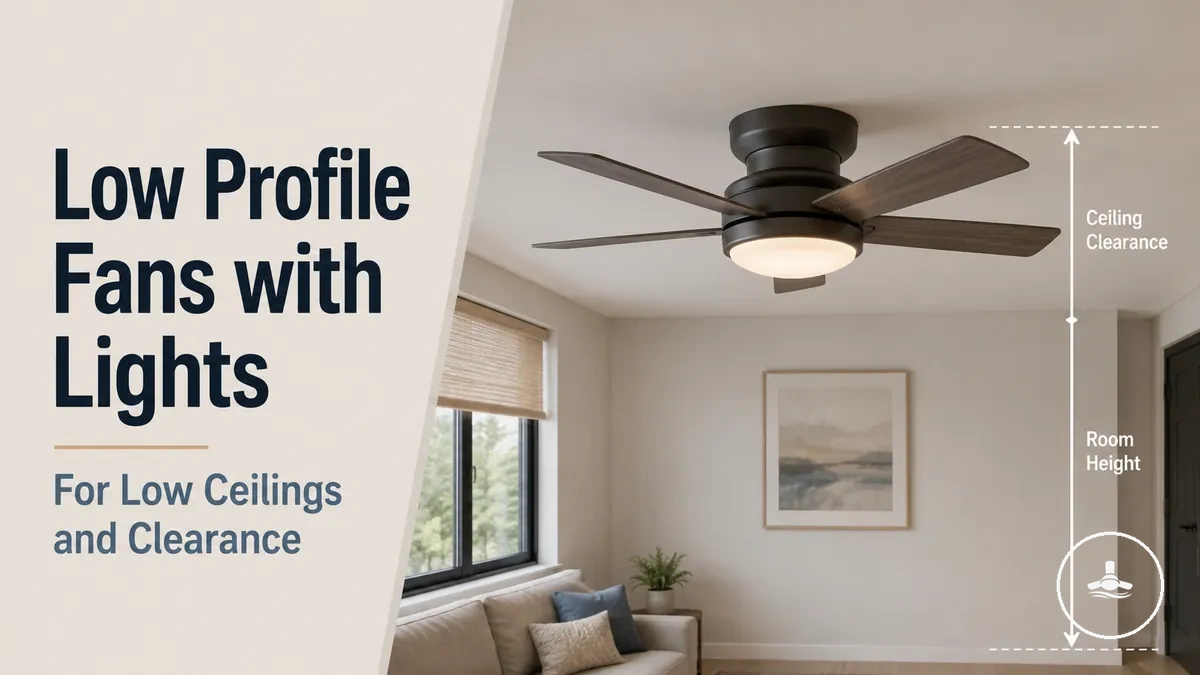
A low profile ceiling fan with an integrated light is a ceiling-mounted fan and lighting option designed for rooms where ceiling height limits vertical space. It usually uses a flush mount or hugger fan structure to keep the fan body closer to the ceiling than a standard downrod fan. This design can help reduce clearance pressure while still supporting airflow, lighting performance, and everyday comfort. Low profile designs are most relevant when room compatibility depends on ceiling clearance, mounting style, and how far the light fixture projects into the room. Ceiling height can vary by room, surface, fixture depth, and installation condition, so suitability should be checked as a compatibility decision rather than assumed from the fan type alone.
Ceiling clearance determines whether a low profile ceiling fan with light can fit the room safely and function comfortably. A fan may appear compact, but the final fit still depends on ceiling height, blade position, integrated light depth, mounting hardware, and the usable space below the fixture. In many cases, a flush mount or hugger fan can make a restricted room more practical, but it does not guarantee suitability for every low ceiling. The right decision starts with matching the fan structure to the room’s vertical space, expected airflow, lighting needs, and safety boundaries. For broader category context, see ceiling fans with lights before comparing low ceiling fit details. The next sections break down structure, clearance, mounting style, blade span, lighting behavior, compact-room performance, common fit mistakes, and situations where a low profile ceiling fan with light may not be suitable.
What Low Profile Ceiling Fans with Lights Are and How They Differ from Standard Ceiling Fans
A low profile ceiling fan with lights is a flush mount or near-ceiling mounted ceiling fan designed for spaces with limited vertical clearance. Its ceiling fan structure keeps the fan body close to the ceiling by using a compact housing instead of a standard downrod. Many designs incorporate integrated lighting into the same housing, creating a combined fan and light fixture with a reduced overall drop. The defining structural feature is the shorter distance between the ceiling and the fan body rather than a different operating purpose. This design is intended to provide a compact ceiling-mounted solution where overhead space is limited.
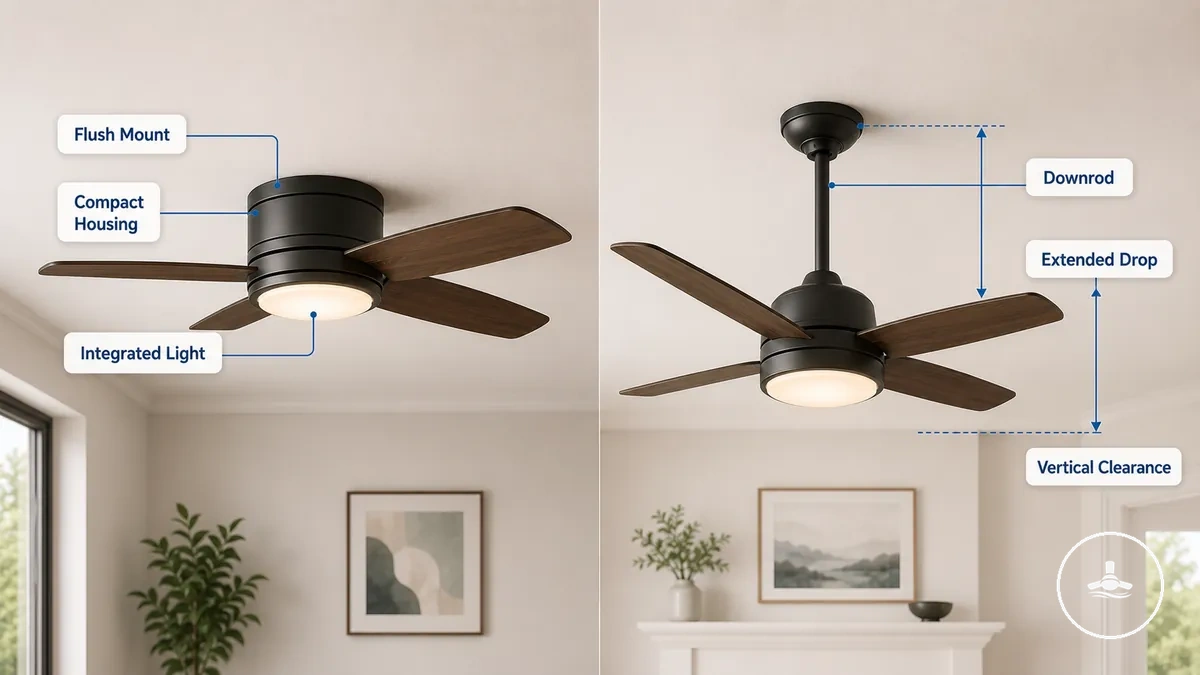
The main difference between a low profile ceiling fan and a standard ceiling fan is the mounting arrangement. A standard ceiling fan typically uses a downrod that creates an extended drop below the ceiling, while a flush mount or hugger fan attaches the compact housing much closer to the ceiling. This structural difference changes the overall ceiling distance and helps reduce the fixture's vertical profile. Integrated lighting is commonly built into the fan body so the lighting assembly follows the same compact design. These characteristics distinguish the ceiling fan structure without implying that either mounting style is inherently superior.
Low Ceiling Clearance Requirements and Minimum Safe Drop Distance for Ceiling Fan and Light Installation
Clearance determines whether a low profile ceiling fan with light is structurally suitable for a room and whether installation can proceed within safe operating conditions. Ceiling height, mounting height, blade-to-floor distance, and the projection of the light fixture all contribute to the available safety margin. A low profile design can reduce the overall drop from the ceiling, but clearance still depends on the complete ceiling fan assembly and the room itself. Airflow also depends on having adequate space around the fan rather than simply using a compact design. Obstructions such as beams, sloped ceilings, or tall furnishings may further influence installation. Because room dimensions and fan designs vary, suitability should be assessed as a compatibility condition rather than assumed from the fan type alone.
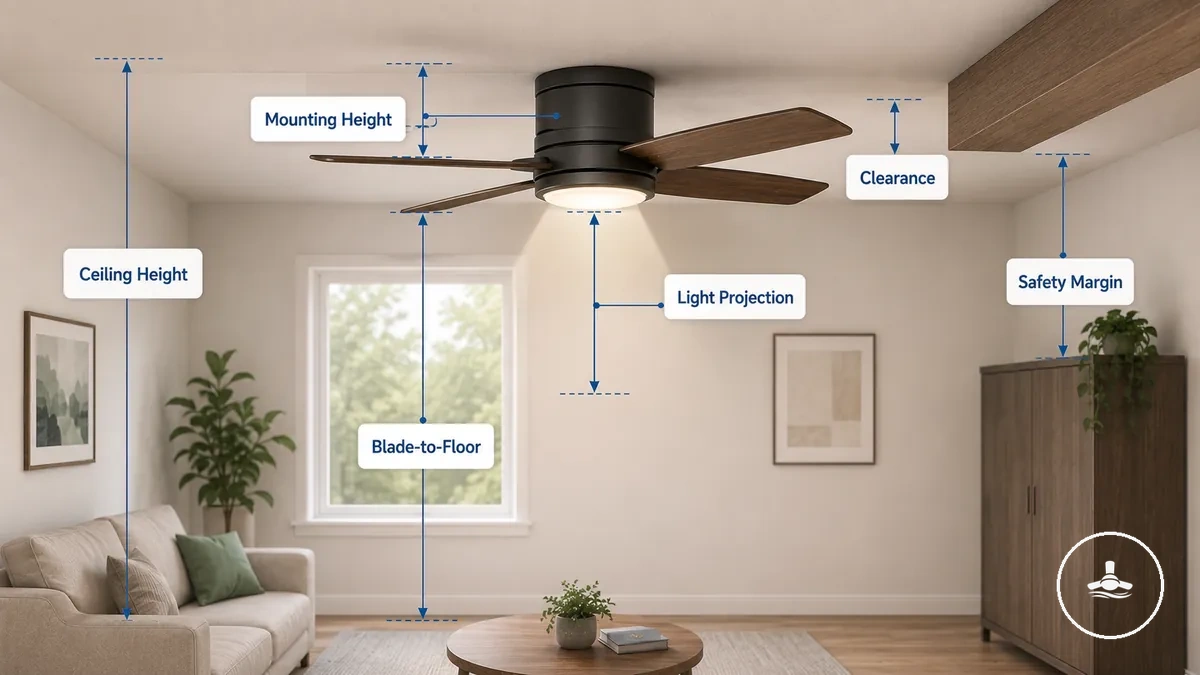
When evaluating a room with limited overhead space, these structural factors can help determine whether installation is appropriate:
- Available ceiling height and how it affects the final mounting height.
- The blade-to-floor distance after the complete fan and integrated light assembly is installed.
- The projection of the light fixture, which may reduce usable clearance below the fan body.
- The available safety margin around the blades, occupants, and nearby obstructions.
- Room size and fixed features that may influence airflow and overall physical fit.
A low profile ceiling fan may improve vertical space compared with a deeper ceiling-mounted fixture, but installation can still be limited by the combined height of the fan, light, and surrounding room features. Reviewing the complete mounting arrangement helps determine whether the installation provides appropriate clearance for the intended space while maintaining safe operation.
Flush Mount vs Hugger vs Downrod Ceiling Fans and Their Impact on Low Ceiling Compatibility
When ceiling height limits installation options, choosing the right mounting style depends on how each design affects vertical clearance and room suitability. A flush mount ceiling fan attaches very close to the ceiling with a compact mounting arrangement that helps minimize the overall fixture drop. A hugger fan also remains close to the ceiling, although its mounting geometry may differ slightly depending on the design. A downrod installation positions the fan lower below the ceiling through an extended connection, changing the available vertical clearance within the room. The most appropriate mounting style depends on ceiling height, room configuration, and installation requirements rather than a universal preference.
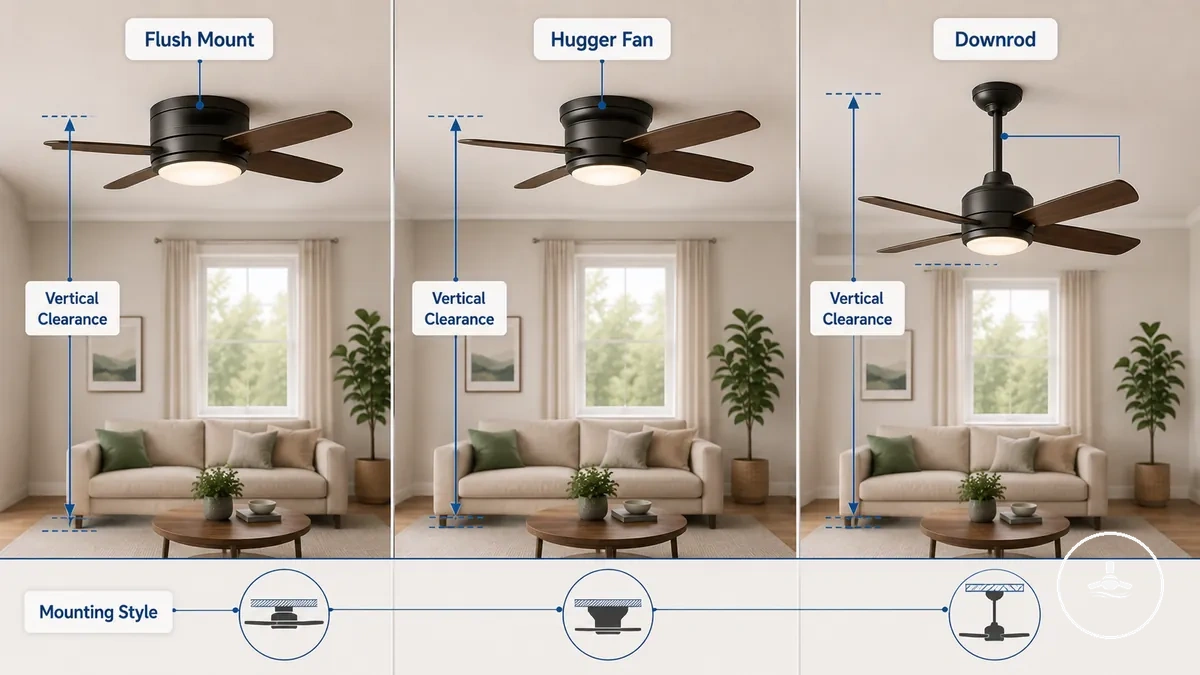
The main differences between these mounting systems are summarized below to clarify their structural trade-offs without ranking one design over another.
| Mount Type | Clearance Impact | Best Use Case | Limitation |
|---|---|---|---|
| Flush mount | Provides the lowest overall fixture profile with a compact mounting style. | Rooms where ceiling height limits available vertical clearance. | Suitability still depends on the complete fan assembly and room conditions. |
| Hugger fan | Maintains close ceiling proximity while using a near-ceiling mounting style. | Rooms that benefit from reduced fixture drop without a downrod. | Mounting geometry and overall profile may vary between fan designs. |
| Downrod | Creates an extended drop below the ceiling. | Rooms with greater ceiling height where additional hanging distance may be suitable. | May reduce available vertical clearance in lower-ceiling spaces. |
The appropriate mounting style depends on balancing ceiling height, available vertical clearance, and the physical characteristics of the room. Comparing mounting geometry instead of appearance helps determine which installation approach is more compatible with the intended space.
Choosing Blade Span and Airflow Levels for Low Profile Ceiling Fan Compatibility in Small and Medium Rooms
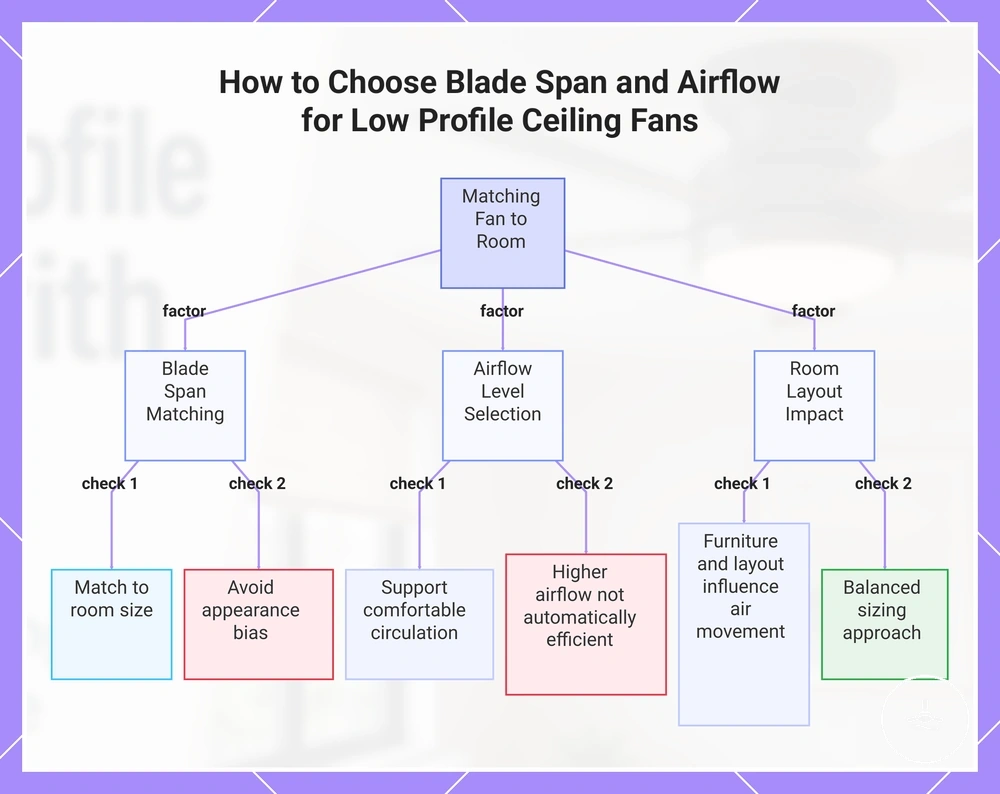
Ceiling fan sizing depends on matching blade span and airflow to the room size rather than selecting the largest or smallest fan available. A blade span that is appropriate for the space can support balanced circulation and comfort without relying on unnecessary airflow. Under low ceiling conditions, the decision should also consider how the fan fits within the room while maintaining suitable installation compatibility. Airflow requirements may vary with room layout, furniture placement, and how the space is used. The most suitable choice is usually based on matching blade span, airflow, and ceiling fan sizing to the characteristics of the room instead of applying a fixed rule.
When comparing options for a small or medium room, focus on how the fan matches the space instead of treating blade span as an isolated specification. A compact room may benefit from a blade span that suits its available circulation area, while a larger room may require stronger airflow to maintain similar comfort. Higher airflow does not automatically improve efficiency if it does not suit the room size. Use these sizing logic factors to compare compatibility without relying on fixed measurements:
- Match the blade span to the overall room size rather than appearance alone.
- Choose an airflow level that supports comfortable circulation for the intended space.
- Consider how furniture and room layout may influence air movement and circulation.
- Evaluate ceiling fan sizing as a balance between efficiency, comfort, and available space.
- Compare fan characteristics as a matching process instead of assuming one configuration suits every room.
This chart shows the key factors for selecting blade span and airflow levels based on room size, layout, and comfort, avoiding fixed measurements.
Lighting Options and Brightness Constraints in Low Profile Ceiling Fans with Lights
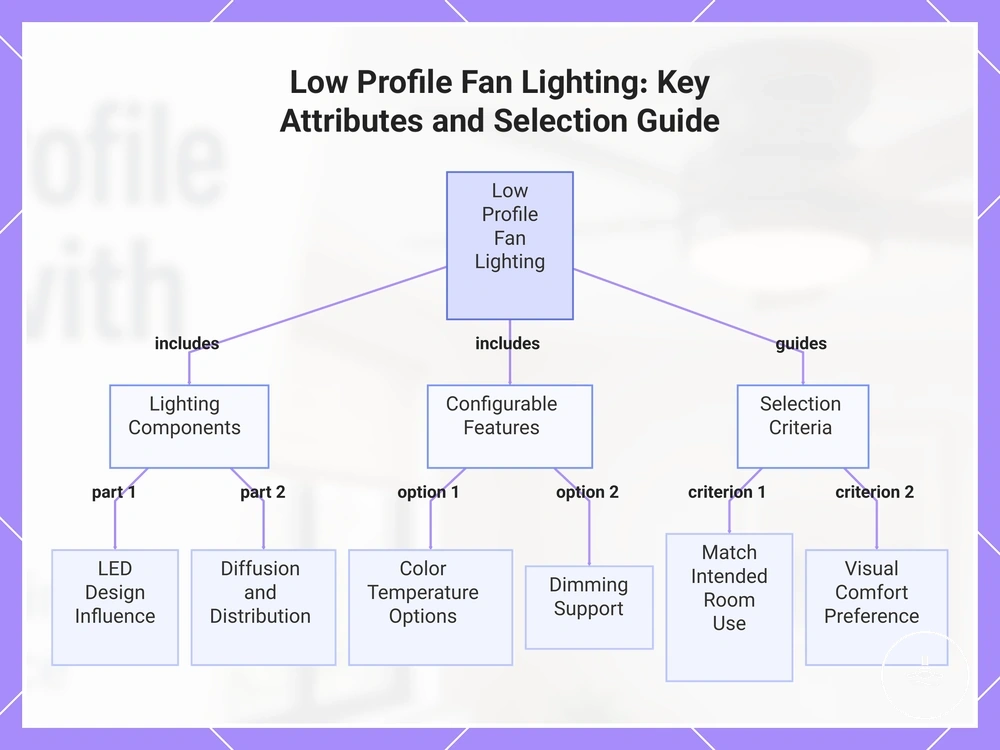
An integrated light in a low profile ceiling fan combines the lighting system and fan into a single ceiling-mounted fixture. The perceived brightness depends on the interaction between LED lighting, fixture design, light diffusion, and the fan's proximity to the ceiling rather than on a single feature alone. A compact housing may influence how light spreads throughout the room, so illumination can vary with the diffuser design and surrounding surfaces. Colour temperature also affects the visual character of a space, with options such as warm white or daylight creating different lighting conditions. Because lighting systems differ between models, the overall experience should be assessed by considering brightness, diffusion, and visual comfort together rather than expecting a consistent level of illumination.
Choosing a lighting system depends on matching its characteristics to the intended use of the room and the level of visual comfort you prefer. Adjustable dimming can help tailor the light level for different activities when that feature is available, while diffuser design may influence how evenly light is distributed. Colour temperature can also affect how comfortable a room feels, depending on whether a warmer or brighter appearance is preferred. When comparing integrated lighting options, consider these key attributes:
- LED lighting design and its influence on perceived brightness.
- Diffusion characteristics that affect how evenly light is distributed.
- Colour temperature choices such as warm white or daylight for different visual preferences.
- Dimming capability when adjustable light control is supported.
- The balance between lighting comfort and the intended function of the room.
This chart shows the main lighting attributes and selection criteria for integrated low profile ceiling fan lights.
How Low Profile Ceiling Fans with Lights Perform in Bedrooms and Compact Living Spaces
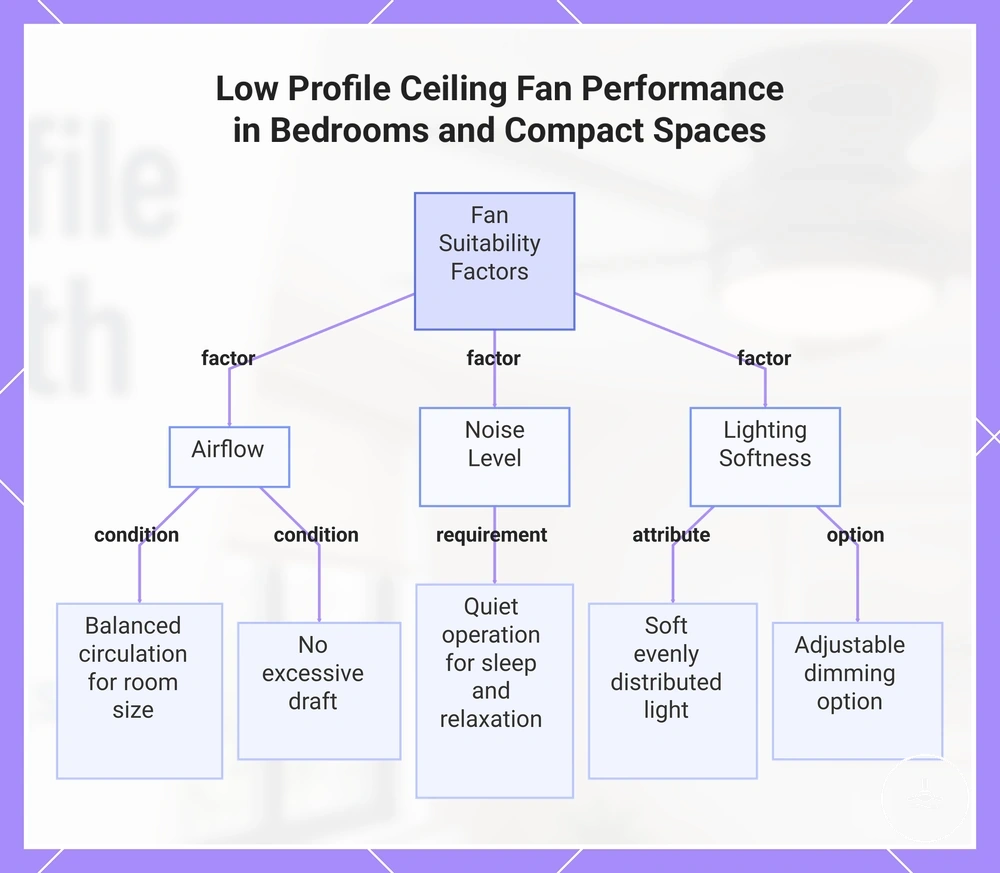
When a bedroom or other compact space is the intended setting, the suitability of a low profile ceiling fan with lights depends on how its airflow, noise level, and lighting softness support the room's primary function. A bedroom often benefits from gentle circulation and a quieter operating experience that can contribute to sleep comfort and relaxation. In compact living spaces, airflow should complement the room without feeling excessive for the available area. Soft, evenly distributed lighting may create a more comfortable atmosphere, particularly when dimming is available. Because room layouts and personal preferences differ, overall comfort depends on matching these characteristics to the way the space is used.
A low profile ceiling fan with lights can be suitable for bedrooms and compact living spaces when its performance aligns with the needs of the room rather than focusing on a single feature. Airflow, lighting softness, and noise level work together to influence everyday comfort, while adjustable dimming may help create a more relaxed environment when supported. Compact rooms can also benefit from balanced circulation that suits the available space without dominating it. When evaluating suitability, consider these practical factors:
- Whether the noise level is appropriate for sleep, reading, or quiet relaxation.
- How the airflow supports comfortable circulation within the available space.
- Whether the lighting softness matches the preferred atmosphere for the room.
- How the combination of circulation, lighting, and room function contributes to overall comfort.
This chart shows the key performance factors—airflow, noise, and lighting softness—that determine suitability for bedrooms and compact living spaces.
Common Fit Mistakes and Low Ceiling Compatibility Limitations to Avoid
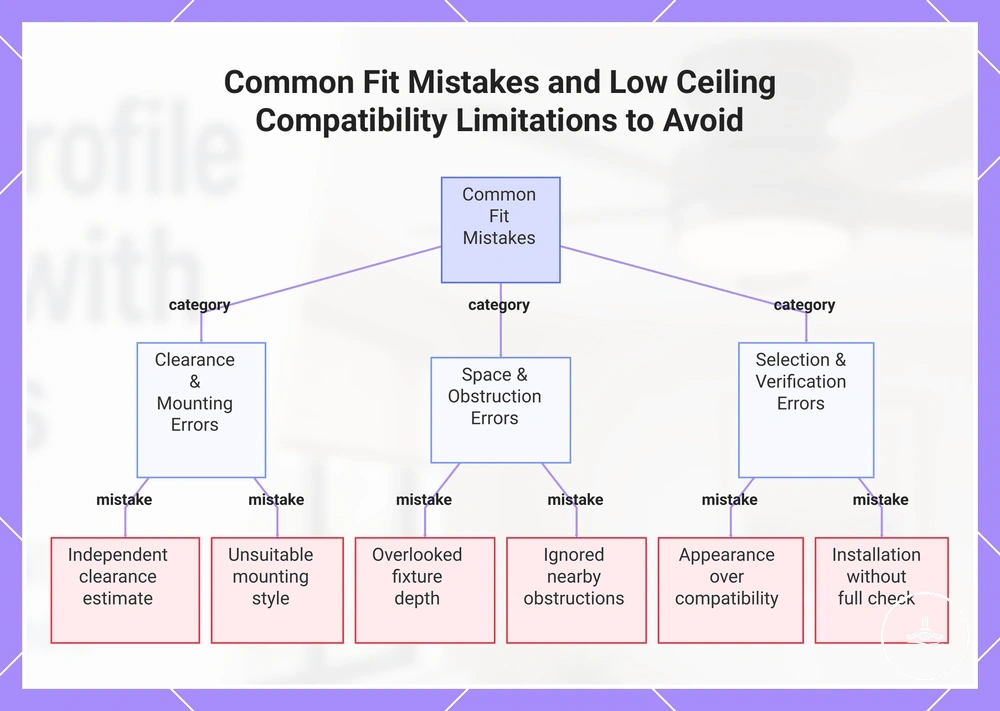
Common fit mistakes often occur when clearance, mounting, and ceiling height are assessed independently rather than as part of the complete installation. An incorrect clearance estimate may create a safety risk or reduce everyday usability after the fan is installed. Selecting an unsuitable mounting style can also reduce compatibility when the fan structure does not match the available ceiling height. Underestimating fixture depth may leave less usable space below the fan than expected, while nearby obstructions can restrict airflow and reduce perceived performance. Evaluating the complete fan assembly and room conditions together can help reduce avoidable installation issues.
Here are product examples that may make comparison easier. Before buying, always review the compatibility criteria, essential features, and product details.
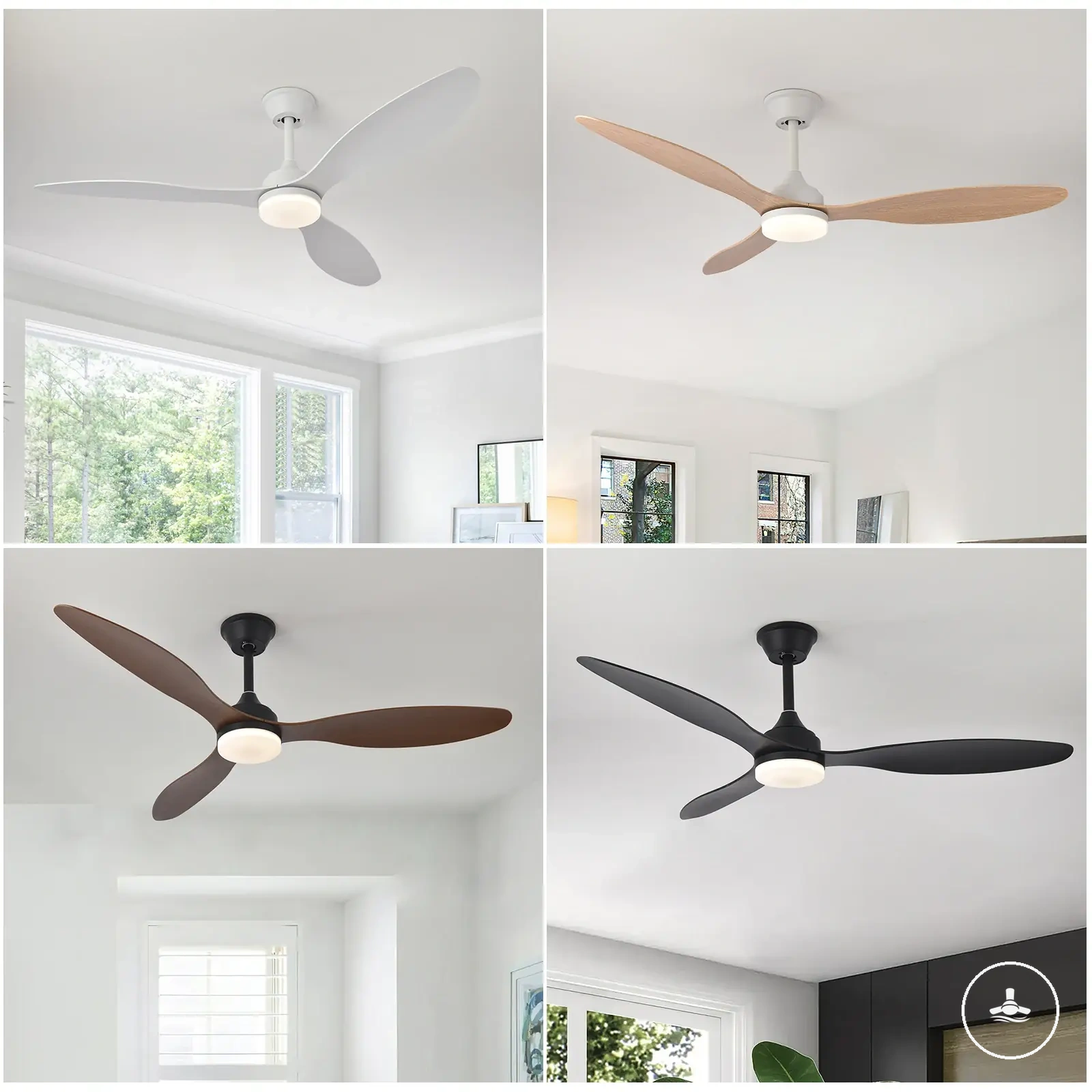
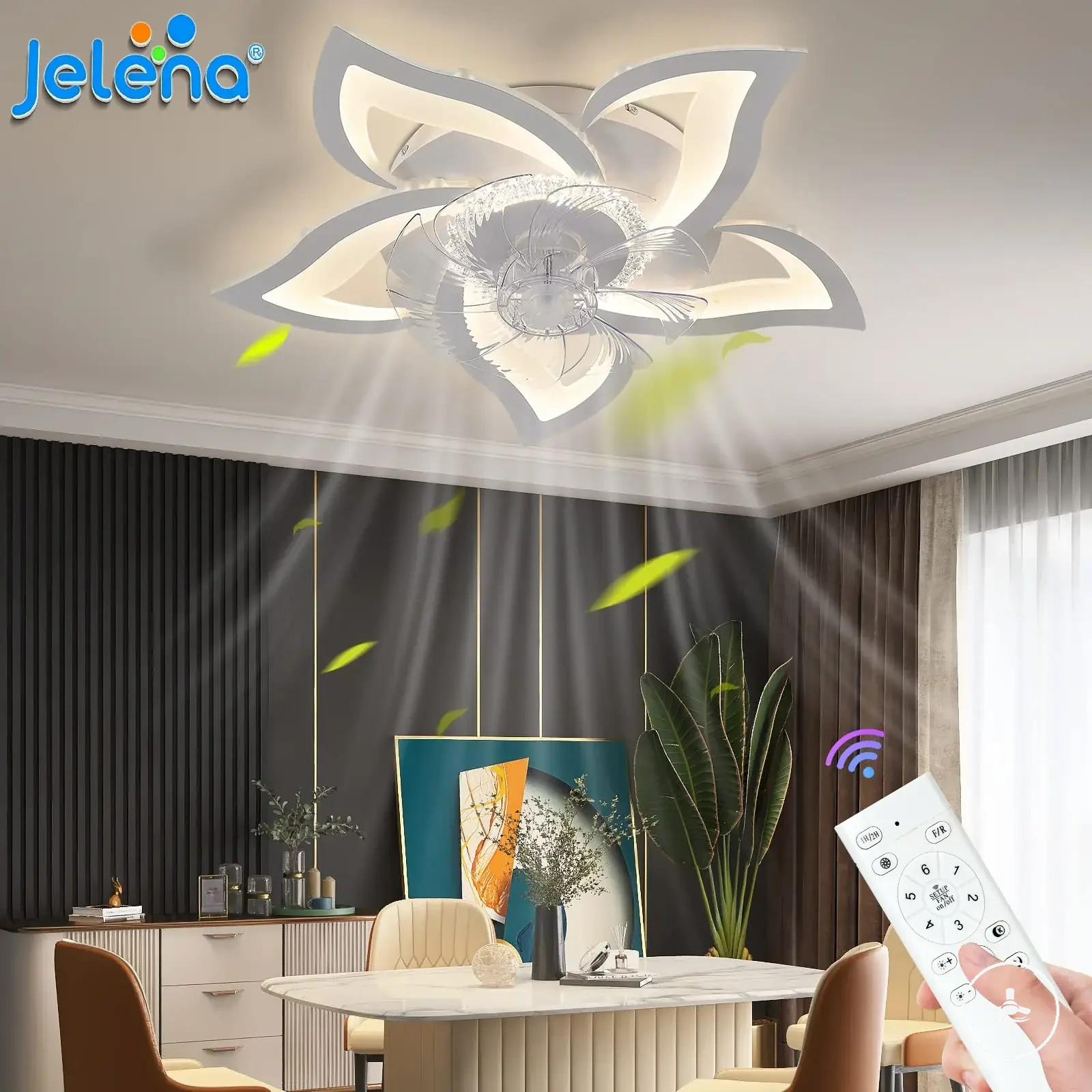
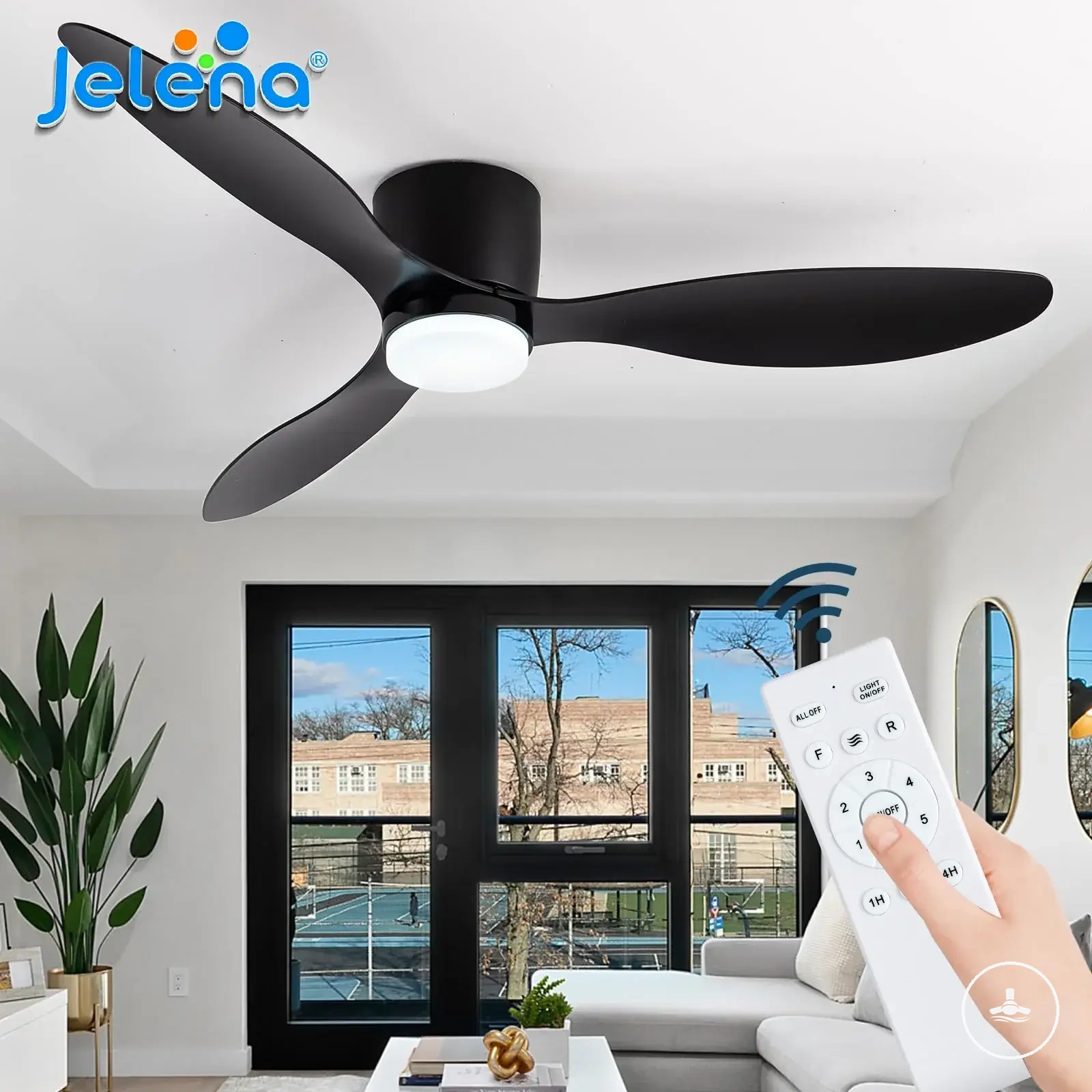
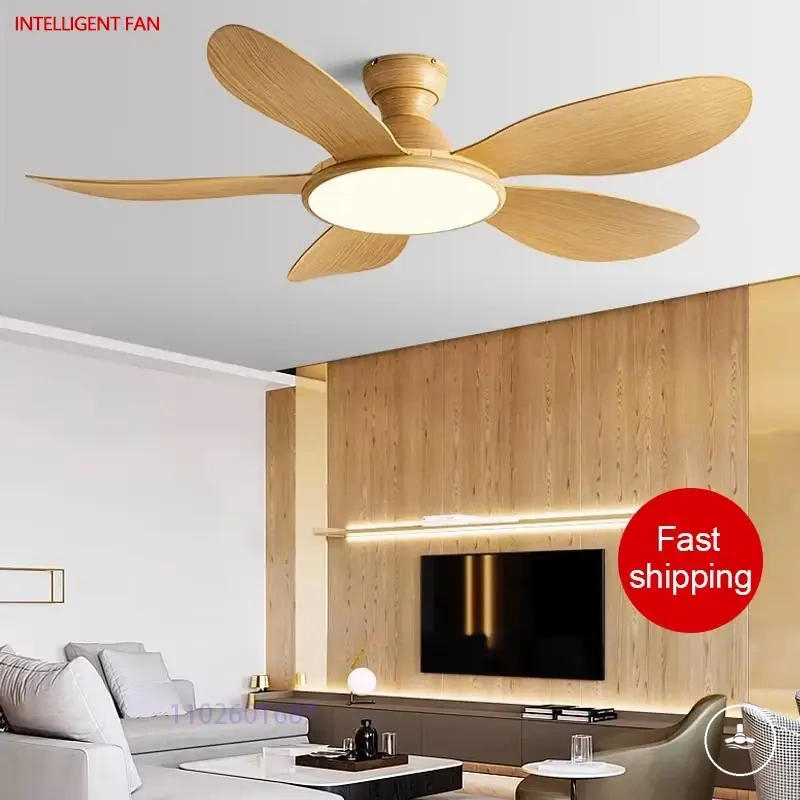
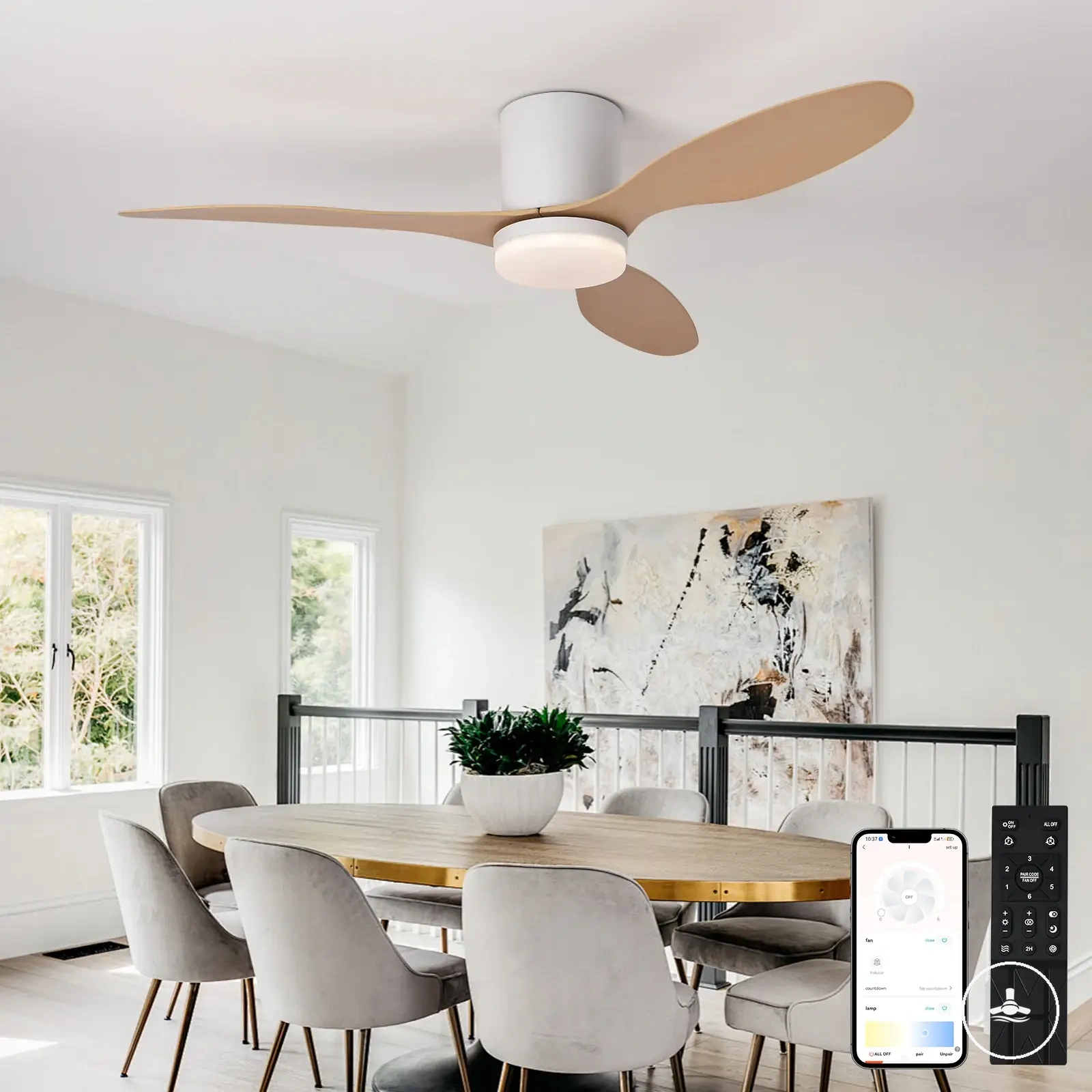
When a low profile ceiling fan appears suitable before installation but performs differently once installed, the cause is often an overlooked compatibility detail rather than a product fault. Reviewing the following checklist before installation can help identify conditions that may affect safety, airflow, or everyday usability:
- Estimating clearance without considering the complete fan and integrated light assembly, which may increase safety risk.
- Selecting a mounting arrangement that does not suit the available ceiling height or room structure.
- Overlooking fixture depth, which may reduce usable space below the installed fan.
- Ignoring nearby obstructions that can restrict airflow and reduce circulation.
- Choosing a fan based primarily on appearance instead of evaluating room compatibility.
- Allowing an installation error to occur before confirming that clearance, mounting, and room conditions work together.
This chart categorizes the common fit mistakes and low ceiling compatibility limitations that can cause safety risks, reduced airflow, or poor usability after fan installation.
When a Low Profile Ceiling Fan with Light Is Not Suitable for a Room
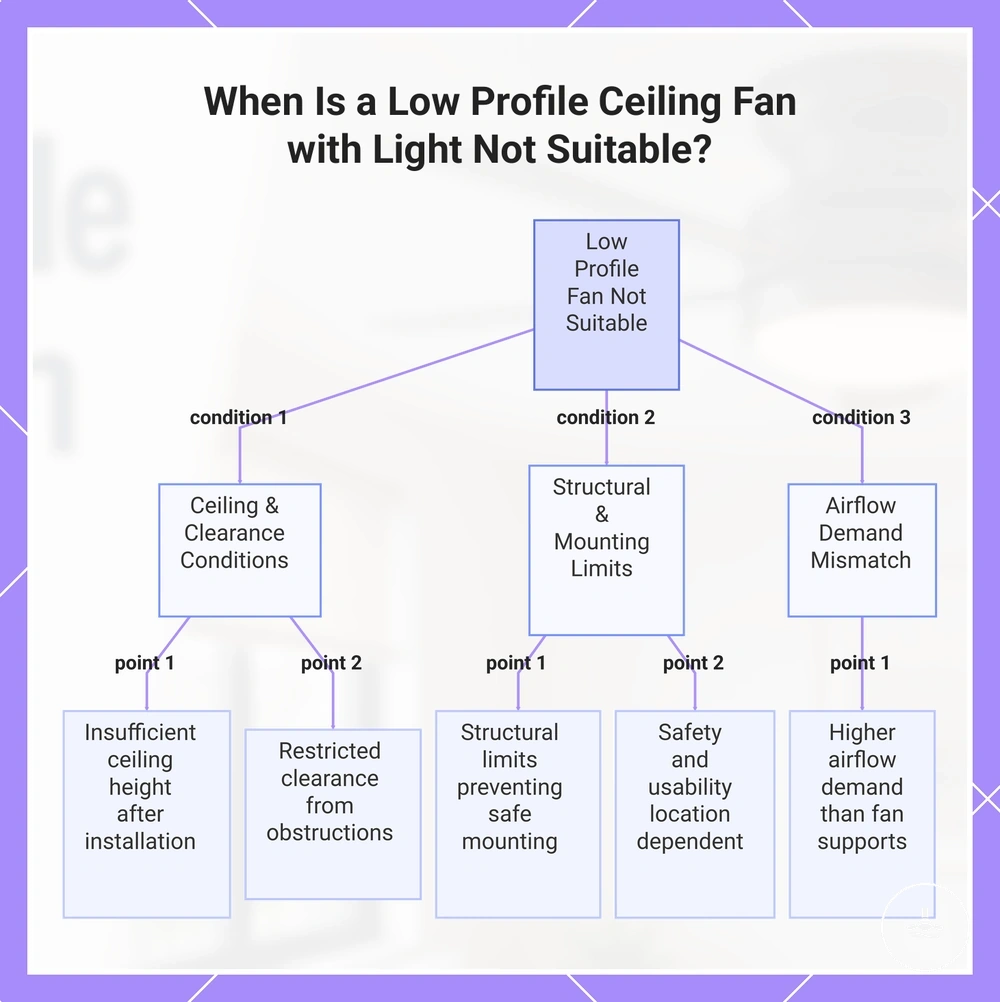
A low profile ceiling fan with light may present incompatibility when room conditions do not provide adequate ceiling height, clearance, or suitable structural support for installation. Compatibility also depends on whether the room's airflow demand aligns with the fan's intended operating conditions rather than its compact appearance alone. Structural limits within the ceiling or mounting location may affect whether installation can be completed appropriately. Limited clearance can influence installation safety, everyday usability, and perceived performance depending on the completed installation. Evaluating these conditions together provides a clearer indication of compatibility than relying on a single criterion.
Here are product examples that may make comparison easier. Before buying, always review the compatibility criteria, essential features, and product details.
When multiple room constraints exist at the same time, they can collectively indicate that a low profile ceiling fan with light is not suitable for the intended installation. The following conditions commonly signal potential incompatibility:
- Insufficient ceiling height to maintain appropriate clearance after the complete fan and light assembly is installed.
- Structural limits that may prevent appropriate mounting or affect installation safety.
- A room with higher airflow demand than the installed fan configuration may be intended to support.
- Restricted clearance caused by permanent obstructions that may reduce usable space or influence installation.
- Room conditions where installation safety and everyday usability depend on factors that the available mounting location cannot accommodate.
This chart identifies the specific room conditions that signal when a low profile ceiling fan with light is not suitable for installation.